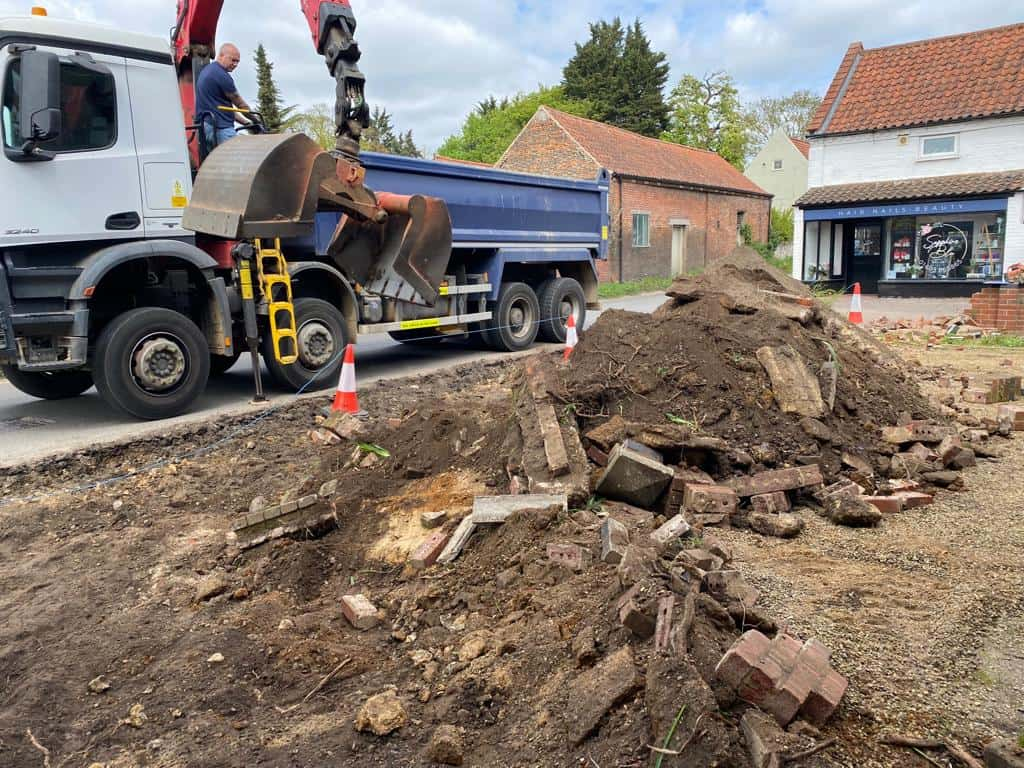
Why Does the Base Preparation Matter for Commercial Tarmac Roadways and Car Parks?
A commercial tarmac surface must cope with regular vehicle movements, stationary loads, turning traffic and changing weather conditions. Although the finished tarmac is the visible part of the installation, its long-term performance depends heavily on the construction beneath it.
Without a properly prepared base, even well-laid tarmac may begin to crack, sink or break up prematurely. Careful preparation creates a stable foundation, supports effective drainage and helps the completed roadway or car park withstand the demands placed upon it.
For commercial property owners and site managers in Watton, Norfolk, understanding the importance of base preparation can help ensure that a new tarmac surface remains practical, dependable and presentable.
How Base Preparation Supports a Commercial Tarmac Surface
Commercial roadways and car parks experience different pressures from many domestic driveways. Delivery vehicles, staff traffic, customers and machinery can all place repeated stress on the surface. The base must therefore be designed and constructed for the anticipated use of the area.
Creating a Stable Foundation
The base spreads vehicle loads across the ground beneath the tarmac. If it is too shallow, uneven or poorly compacted, pressure can become concentrated in particular areas.
This may cause the surface to deform under traffic, resulting in depressions, ruts or cracking. A properly formed base distributes these loads more evenly and reduces movement within the completed surface.
The required preparation will depend on factors such as:
- The condition and type of existing ground
- The expected volume of traffic
- The weight of vehicles using the area
- The intended use of different sections
- The drainage requirements of the site
Assessing these factors before installation allows the base to be prepared for the actual demands of the commercial area.
Removing Unsuitable Ground
Soft, loose or unstable ground cannot provide dependable support for a tarmac surface. Organic material, weak soil and damaged sections of an existing surface may need to be removed before construction begins.
If unsuitable material remains beneath the installation, it can compress or shift after the area enters use. This movement may eventually become visible through settlement, cracking or uneven sections at surface level.
Correct excavation provides sufficient space for the necessary base layers while removing materials that could undermine their stability.
Achieving Consistent Compaction
Base materials must be installed in suitable layers and compacted thoroughly. Compaction reduces gaps between the aggregate particles and creates a dense, stable platform for the tarmac.
Inconsistent compaction can leave weaker areas beneath the surface. These sections may settle differently from the surrounding pavement, particularly where vehicles repeatedly follow the same route or turn in confined spaces.
Commercial entrances, loading areas, parking bays and turning points commonly receive concentrated use. Consistent base preparation is especially important in these locations.
Supporting Effective Drainage
Water is a significant cause of deterioration in poorly constructed roadways and car parks. If it is allowed to collect on the surface or penetrate into the underlying layers, it can weaken the base and contribute to movement.
The base and surrounding levels should be prepared with drainage in mind. Appropriate gradients help guide surface water towards suitable drainage points instead of allowing it to remain in low areas.
Visible puddles may indicate more than a minor surface issue. Persistent standing water can enter cracks, affect the layers below and accelerate the development of potholes or broken edges.
Preventing Premature Cracking and Settlement
Tarmac has a degree of flexibility, but it cannot compensate for substantial instability underneath it. When the supporting base moves, the surface above will usually move as well.
Early signs of inadequate support can include:
- Cracks forming along vehicle routes
- Depressions in frequently used parking spaces
- Rutting near entrances or turning areas
- Tarmac breaking away around drainage features
- Uneven sections that retain water
- Crumbling or unsupported edges
These problems are not always caused by the tarmac itself. They may reflect weaknesses in the foundation, which is why simply treating the visible damage may not provide a lasting result.
Providing Support Around Edges and Drainage Features
The perimeter of a commercial tarmac area requires careful attention. Unsupported edges can spread, crack or break away when vehicles pass close to them. Suitable restraints help maintain the shape of the surface and protect vulnerable boundaries.
Drainage channels, inspection covers and other fixed features must also be properly integrated into the base. Poor support around these areas can lead to sinking, cracking or an uneven transition between different materials.
Preparing for the Intended Traffic
Not every part of a commercial car park or roadway receives the same level of use. Parking bays may support stationary vehicles, while entrance lanes and turning areas experience frequent braking and steering forces. Access routes used by heavier vehicles require particularly dependable foundations.
Planning the base around these traffic patterns helps create a surface that performs consistently throughout the site. It also allows vulnerable areas to receive the preparation appropriate to their intended function.
Why Professional Preparation Matters
Base preparation involves more than placing aggregate beneath the tarmac. Excavation depth, material selection, layer construction, compaction, levels, edge support and drainage must work together.
Watton Driveway Solutions can assess commercial sites in Watton, Norfolk, and prepare tarmac roadways and car parks according to their intended use. This considered approach helps create a stable surface rather than relying solely on the appearance of the finished layer.
Conclusion
Base preparation matters because commercial tarmac can only perform as reliably as the structure supporting it. A stable, well-compacted and properly drained foundation helps distribute traffic loads, limit movement and reduce the risk of premature cracking, rutting and settlement.
For a commercial roadway or car park in Watton, Norfolk, careful preparation should be treated as an essential part of the installation. To discuss a new tarmac surface and the groundwork it requires, contact Watton Driveway Solutions for a professional site assessment.
Call us on: 01953 660 780
Click here to find out more about Watton Driveway Solutions
Click here to complete our contact form and see how we can help with your driveway needs.