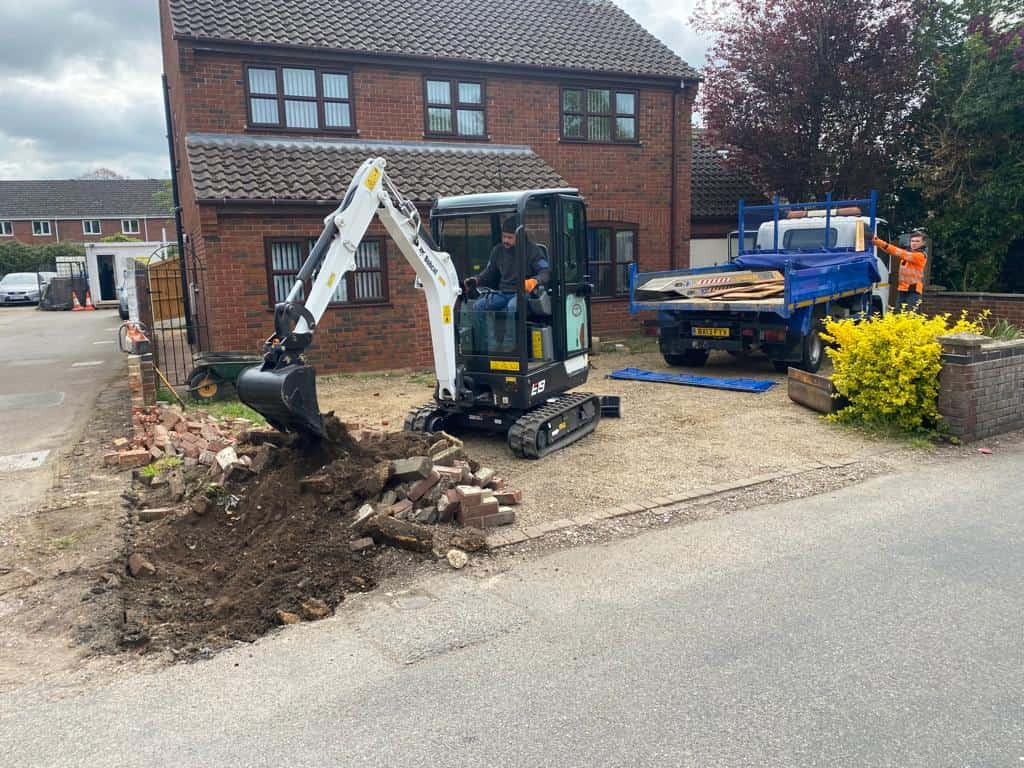
Newbuild Tarmac Driveways: Planning a Smooth and Long-Lasting Finish
A well-planned driveway is an important part of completing a new-build property. It provides practical access for vehicles, creates a tidy entrance and helps connect the home with its surrounding outdoor space. Tarmac is a popular choice for new-build driveways because it offers a smooth, durable surface that can suit a range of property designs.
However, achieving a long-lasting finish requires more than simply laying tarmac over the ground. Proper site preparation, a stable foundation, effective drainage and careful installation all influence how the driveway performs over time. For homeowners and developers in Watton, Norfolk, Watton Driveway Solutions can help plan and install tarmac driveways that meet the practical needs of a new property.
Why Choose Tarmac for a New-Build Driveway?
New-build properties provide an opportunity to plan the driveway around the layout of the home, available parking space and expected vehicle use. Tarmac offers several benefits when these details are considered from the beginning.
A Smooth and Consistent Surface
Tarmac creates a continuous surface that provides convenient access for cars and everyday vehicle movements. Its neat finish can complement modern property designs and help create a clean, organised appearance at the front of a new home.
The final result depends on the quality of the installation. Properly prepared ground and careful laying and compaction help produce an even surface without unnecessary dips or irregularities.
Practical for Everyday Parking
A new-build driveway should be designed around how residents will use it. Consider the number of vehicles, the space needed for manoeuvring and whether visitors will regularly use the driveway.
Tarmac can be installed in different layouts to suit the available space. Planning the dimensions and access points carefully helps prevent a driveway from feeling cramped and makes parking more convenient.
A Finish That Is Straightforward to Maintain
Tarmac is relatively simple to maintain when installed correctly. Regular sweeping helps remove leaves, soil and other debris, while prompt attention to spills and developing defects can help preserve its appearance.
As with any driveway material, the surface will experience wear over time. A sound foundation and suitable drainage are essential for reducing the risk of problems such as cracking, rutting and standing water.
Preparing the Ground for a Long-Lasting Tarmac Driveway
Ground preparation is one of the most important stages of a new-build driveway project. The finished surface relies on the layers beneath it to provide support and distribute vehicle loads effectively.
Assessing the Site Conditions
Before installation begins, the ground should be assessed to determine its condition, levels and suitability for the proposed driveway. New-build sites may contain recently disturbed soil, construction debris or areas that have not been adequately compacted.
These conditions need to be addressed before the driveway is laid. If unstable material remains beneath the surface, the driveway may settle unevenly as the ground changes under repeated vehicle use.
A professional assessment helps identify preparation requirements and establish a suitable construction approach for the site.
Installing a Stable Sub-Base
The sub-base provides the foundation for the tarmac surface. It needs to be made from suitable material, laid to an appropriate depth and compacted properly to create a stable platform.
The required construction will depend on the ground conditions, drainage characteristics and expected vehicle loads. A driveway intended for regular car use may have different requirements from an area expected to accommodate heavier vehicles.
If the sub-base is poorly prepared, the surface may develop depressions or cracks. Taking care at this stage helps support the long-term performance of the driveway.
Getting Levels and Drainage Right
Drainage should be considered before the tarmac is installed, not treated as an afterthought. Incorrect gradients can allow rainwater to collect in low spots or flow towards the property.
Careful setting out helps create suitable falls so water can drain towards appropriate drainage points. The driveway should also connect neatly with entrances, paths and other surrounding surfaces.
In Watton, Norfolk, planning for local weather conditions and effective rainwater management helps reduce the risk of persistent puddles and water-related deterioration.
Common Mistakes to Avoid on New-Build Driveways
Several avoidable mistakes can affect the appearance and durability of a new tarmac driveway.
- Rushing ground preparation: Laying the surface before the ground and sub-base are ready can lead to settlement and uneven areas.
- Ignoring drainage: Poorly planned gradients can leave standing water or direct runoff towards the building.
- Choosing an unsuitable construction: The foundation and surface specification should reflect the site conditions and expected vehicle use.
- Overlooking the edges: Properly finished and supported edges help maintain the driveway’s shape and prevent premature deterioration.
- Failing to plan access: Insufficient parking or turning space can make an otherwise attractive driveway inconvenient.
Considering these factors before work starts helps reduce the likelihood of defects and avoids having to revisit problems after the driveway is completed.
Why Professional Tarmac Driveway Installation Matters
Installing a new-build driveway involves coordinating ground preparation, sub-base construction, drainage, edge details and the tarmac surface itself. Each stage contributes to the quality of the final result.
Professional installers can assess the site, recommend a suitable construction method and ensure the work is planned around the property’s access and parking requirements. Attention to these details helps create a driveway that is both practical and visually consistent with the new home.
Watton Driveway Solutions can help homeowners and developers in Watton plan their new-build tarmac driveway, from considering the layout to completing the surface with long-term use in mind.
Conclusion
A successful new-build tarmac driveway starts with careful planning and a properly prepared foundation. Stable ground, a well-compacted sub-base, effective drainage and precise installation all help create a smooth and dependable finish.
If you are planning a new-build driveway in Watton, Norfolk, contact Watton Driveway Solutions to discuss your requirements. Professional guidance can help ensure your driveway suits the property, provides practical everyday access and remains in good condition for years to come.
Call us on: 01953 660 780
Click here to find out more about Watton Driveway Solutions
Click here to complete our contact form and see how we can help with your driveway needs.